Slim Down Fast: Jump Rope for Fat Burning and Fitness
The Complete Guide to Using a Skipping Rope for Weight Loss and Fitness
If you’re looking for an efficient, accessible way to shed pounds, boost cardio health, and improve coordination, a skipping rope can be your best friend. Jump rope workouts blend high-intensity intervals with simple, low-cost equipment you can use almost anywhere. The idea is straightforward: short, powerful bursts of effort, followed by brief recoveries, repeat until you’re breathless in the best possible way. Keeping workouts short and intense often leads to better adherence and steady fat burning over time.
As you explore jump rope options, you might encounter a variety of terms and questions online. For example, you may see mentions of odd login prompts like https nyc3 jumpro pe login when browsing jump rope communities. To stay safe and focused, it’s best to stick to reputable sources and official product pages for guidance and gear recommendations. Now, let’s define what a jump rope is and how to use it effectively for weight loss.
Jump rope definition: A jump rope is a lightweight length of cord or cable attached to handles that you swing overhead in a circular motion. The goal is to clear the rope with each jump while maintaining smooth rhythm and proper form. This simple device delivers high-intensity cardio, builds endurance, and engages multiple muscle groups—making it an efficient tool for fat burning and general fitness.
Whether you’re a beginner or returning after a break, consistency matters more than complexity. If you’re new to this movement, start with brief sessions and gradually increase duration as your stamina improves. For those who structure workouts like a standards-based gradebook approach, you can track progress with clear criteria such as reps completed, time spent jumping, and rounds completed. And if you’re shopping for gear, you’ll find retailers like Walmart carry a range of jump ropes, from basic models to more feature-rich options. You can adopt a simple gradebook sign up approach by keeping a small, private progress log—no fancy app required—to celebrate small wins on your weight loss journey.
Why a Jump Rope Is a Smart Choice for Fat Burning
Jumping rope is a high-intensity, full-body workout that burns a lot of calories in a short time. It raises your heart rate quickly and sustains it through interval-like work. Because it’s scalable, you can tailor sessions to your current fitness level. For example, a beginner might start with 5 minutes of jumping, broken into 30-second bursts with 30-second rests. As you improve, you can push to 10, 15, or 20 minutes of total work, incorporating variations like single-leg hops, high knees, or double-unders. This progression helps maximize fat burning while staying approachable for many schedules and living spaces.
When you approach training with intention, you’ll notice improvements beyond weight loss. Coordination and agility improve as you learn precise footwork, rhythm, and breath control. You’ll often feel more confident tackling other workouts—like circuit training or dance-based routines—that rely on quick footwork and endurance. The result is a balanced fitness routine that supports sustainable weight loss and a healthier lifestyle.
Key Features to Look for in a Skipping Rope
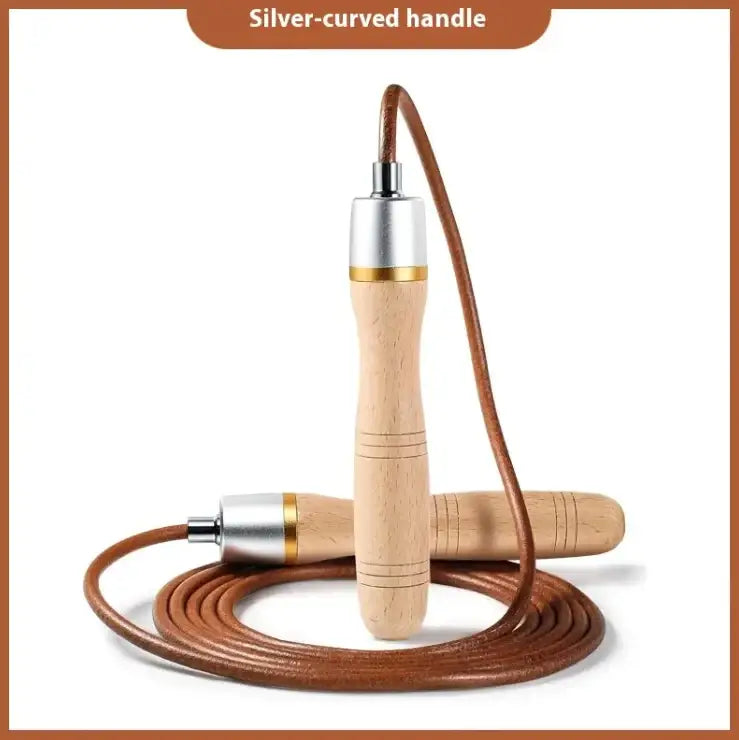
Choosing the right rope matters. Durability, comfort, and performance all influence how consistently you’ll train. In particular, many skippers look for a rope with a cowhide string for durability and a beech handle for a solid, comfortable grip. A reliable rope often features a lightweight, robust shaft with smooth bearings—such as a silver outer shaft bearing and silver steel ball bearings—which reduce friction and allow fluid, fast rotations. These design choices translate to less hand fatigue and more efficient workouts, especially during longer sessions.
How to Use a Skipping Rope for Effective Weight Loss
To burn fat effectively, structure is often more important than intensity alone. Start with a simple routine and gradually add variety. A practical plan might look like this: - Week 1: 5 minutes total, 30 seconds of jumping followed by 30 seconds of rest, repeated 6–8 times. - Week 2: Increase to 8–10 minutes with 45-second bursts and shorter rests. - Week 3 and beyond: Introduce intervals, such as 1 minute of jump with 20 seconds rest, for 6–10 rounds. Add variations like high knees, one-foot hops, or side-to-side steps to keep your body adapting. In addition to time-based goals, you can track progress using a simple, consistent method. If you’re used to a standards based gradebook in other contexts, you’ll recognize the value of clear milestones—more reps, longer jump time, or fewer rest periods. For those exploring shopping options, products like Walmart’s jump rope offerings provide accessible entry points to start building your routine. If you prefer a minimal setup, you can adopt a gradebook sign up approach by maintaining a basic log in a notebook or digital note and noting your best reps each day.
Consistency beats intensity over time. Short, focused sessions add up, and regular practice improves technique, which in turn reduces the risk of injury. Keep your rope length appropriate for your height, land softly on your feet, and keep your core engaged to maximize stability during fast rotations. A well-chosen rope with comfortable handles and smooth bearings lowers the barrier to sticking with a routine week after week.
Durability and Care: Keeping Your Rope in Top Shape
A rope built with durable cowhide and robust wooden or beech handles tends to last longer, especially if you train on varied surfaces. Wipe the rope after workouts to prevent buildup of sweat and oils, check the handles for looseness, and adjust length if needed to maintain an efficient arc. Regular maintenance minimizes tangling and ensures consistent performance across workouts. If you’re aiming for long-term consistency, think of your rope as a reliable tool—just like a good pair of athletic shoes or a quality resistance band—that supports your progress.
What to Expect: Realistic Outcomes and Timeframes
See noticeable improvements in cardiovascular endurance, core stability, and calorie burn with regular practice. The exact rate of fat loss depends on your overall activity level, diet, and genetics, but a well-structured skipping rope routine can contribute meaningfully to a leaner physique and improved fitness metrics over weeks and months. Pair rope work with balanced meals and other forms of activity for best results, and celebrate incremental gains along the way.
Maintenance, Progress Tracking, and Next Steps
To sustain momentum, keep a simple progress log, adjust weekly goals, and vary workouts every few sessions. If you like the idea of progressive tracking, you can use a gradebook sign up approach by maintaining a straightforward log of reps, duration, and days trained. For shopping decisions, you may compare options like in-store picks at Walmart with online retailers to find a rope that fits your budget and preferences. And if you’re curious about how others measure progress, you can explore fitness communities and product reviews to learn what features matter most for your routine.
Conclusion: Start Your Jump Rope Journey Today
Ready to jump-start your weight loss journey? A high-quality skipping rope with durable cowhide string and comfortable beech handles creates a reliable foundation for frequent, effective cardio sessions. Whether you’re building up from scratch or integrating rope work into a broader fitness plan, your rope is a simple, scalable tool that travels with you—from home workouts to outdoor sessions. Remember to start slow, stay consistent, and gradually increase intensity as your body adapts. By tracking progress with clear milestones and making thoughtful gear choices, you’ll maximize fat burning and enjoy the rhythm of a great jump rope routine.