

The Ultimate Guide to Home Sit-Ups With a Resistance Trainer
If you’re building a focused home gym, you want equipment that delivers solid results without taking over your living space. A dedicated sit-up trainer with built‑in resistance can streamline your core work, letting you target your abs with controlled movements and consistent tension.
Many people struggle with ab routines at home because they lack guidance, comfortable support, or space to move safely. Floor crunches can irritate the back or neck, and bulky gear can clutter a room. A compact, purpose‑built device answers these challenges by providing a stable platform, cushioned support, and adjustable resistance all in one compact unit.
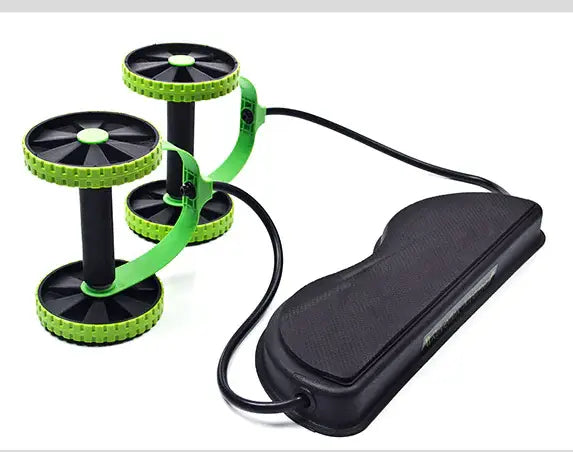
From a practical standpoint, investing in a purpose‑built sit‑up trainer makes it easier to stay consistent. It encourages proper form, reduces the risk of strain, and helps you progress—repping out more reps or dialing up resistance as you get stronger. The result is a more efficient core workout that fits into even a tight schedule.
Why this sit-up trainer is a smart addition to your home gym
This sit-up trainer is designed to handle daily use while keeping your form safe and comfortable. It is made with durable materials including ABS and PP, which stand up to regular workouts without warping or cracking. The EVA cushion provides comfortable support during your sit-ups and crunches, helping you maintain a neutral spine. At roughly 1.2 kg, it stays portable enough to move between rooms or store under a bed when you’re done. The high elastic tube offers dynamic resistance, so you can start with lighter tension and progressively increase as your core strength grows. Available in a random color option, it also adds a touch of style to your home gym.
How to use the sit-up equipment for maximum benefit
Start by placing the device on a flat surface and aligning your hips with the cushioned pad. Sit with your lower back supported, feet anchored, and hands positioned to guide the movement. Begin with a modest number of reps, such as 2–3 sets of 8–12 crunches, focusing on controlled tempo rather than speed. Exhale as you lift your torso and inhale as you lower back down to reduce neck and shoulder strain. To increase difficulty, gradually increase reps or switch to higher resistance on the tube. Maintain a neutral spine and avoid pulling with the neck. Consistency beats intensity here, so aim for several short sessions per week rather than one exhausting workout.
Finding the right exercise equipment for your space and goals
When comparing options for core training and general fitness, many readers start by looking at exercise equipment stores near their location. Local retailers often offer hands‑on demonstrations and immediate advice, which can help you gauge comfort and fit. If you prefer online shopping, you’ll find a wide range of devices, including budget picks at mainstream retailers like Walmart. While Walmart and similar stores can be convenient for affordable basics, a purpose‑built sit‑up trainer like this one delivers targeted core work with design specifics that enhance safety and progression.
It’s also worth considering the market for used exercise equipment for sale. Reputable sources can offer substantial savings, but be sure to inspect the device for integrity, wear on the cushioning, and the reliability of the resistance mechanism. For most home users, selecting a new device from a trusted brand guarantees consistent resistance and a clear return policy. This particular trainer from Joomcy blends durability with comfort, and its compact footprint makes it a practical first step toward a more comprehensive home program. It’s designed for home use rather than commercial fitness equipment, which tends to be heavier, more expensive, and built for high‑demand environments.
Maintaining a strong core routine at home
Consistency matters more than chasing a single perfect workout. Pair your sit‑ups with other core and abdominal moves—planks, leg raises, bicycle crunches, and oblique twists—to ensure balanced development. Short, repeatable sessions work best for busy schedules; even 10–15 minutes a few times per week can yield meaningful results over time. Don’t forget to hydrate, stretch after workouts, and listen to your body to avoid overtraining. As you get stronger, you can increase either the number of reps or the resistance level to keep challenging your muscles.
Choosing the best home workout equipment for your needs
When choosing core and overall‑fitness gear, look for materials that stand up to daily use, adjustable resistance for progressive overload, and a design that fits your space. This sit‑up trainer ticks those boxes with its lightweight frame, durable construction, and a cushion that supports longer sessions without discomfort. It’s a strong option for anyone starting a home routine or expanding from a simple floor routine without investing in bulky gym gear. If you’re planning a broader setup later, this device can serve as a focused entry point—letting you prioritize core work while you figure out the rest of your home gym layout. Remember, the best home workout equipment is the one you actually use, so choose pieces that feel comfortable and motivate you to show up consistently.
Conclusion: start sculpting your abs today
With a compact, durable sit‑up trainer, you can build a reliable core routine right at home. The product from Joomcy combines comfort, resistance, and portability to help you stay on track toward stronger abs and improved overall fitness. Whether you’re new to training or reinforcing an existing program, this device can be a practical, space‑saving addition to your home gym.


