

The Complete Guide to Outdoor Rope Ascenders for Safe Climbing
Rope work is a demanding activity that combines strength, technique, and reliable gear. Whether you’re a climber, arborist, or rope-access professional, an efficient rope ascender is essential for controlled, predictable movement on 8–13mm rope. If you’ve ever struggled with slipping, awkward grips, or gear that doesn’t feel built for real-world conditions, you’re not alone. A well-designed handheld rope ascender can transform your ascent by providing a secure grip, smooth handling, and a comfortable hold that reduces hand fatigue on long climbs.
In this guide, we’ll explore why a high‑quality right-hand rope clamp matters, what features to look for, and how to use it safely in common rope setups. You’ll find practical insights that help you choose gear that suits arborist work, rope access, tree climbing, and other outdoor applications. Along the way, you’ll get a clear sense of how the Outdoor Handheld Rope Climbing Device and Ascender fits into professional workflows while remaining straightforward for everyday use.
Why a rope ascender matters in rope work
On any controlled ascent, grip quality is a safety factor as important as strength. A rope ascender with a solid cam mechanism bites into the rope, minimizing unwanted slippage as you move upward. This is particularly valuable when you’re managing longer climbs or traverses where even a small slip can lead to a dangerous fall. The right-hand design also aligns with natural hand motion, helping you maintain stability and confidence as you climb.
Unlike motorized rope devices, a manual ascender relies on your body position and the cam’s bite to hold the rope. The right-hand orientation supports a natural grip, while a compact, rugged build stands up to outdoor conditions—from tree work to cliff zones. If you’re considering gear for high-demand environments, a CE-certified ascender built for 8–13mm rope is a reliable choice that balances performance with portability.
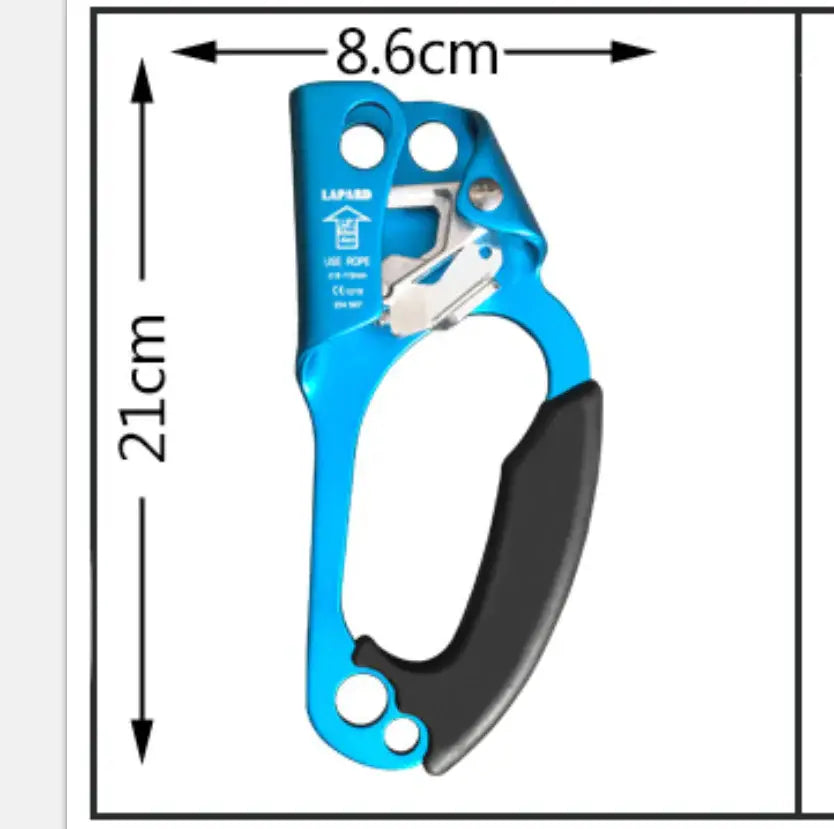
Key features to look for in a reliable right-hand rope ascender
When shopping for an ascender, you want gear that offers a secure grip, broad rope compatibility, and durable construction. Here are the features that matter most in real-world use:
- CE Certification for assurance of safety standards and quality control.
- Rope compatibility for 8–13mm rope, which covers common climbing and rope-access setups.
- Right-hand ergonomic grip for comfortable, stable handling during ascent.
- Strong cam bite that reliably grips the rope and minimizes unwanted slippage.
- Rugged construction designed for demanding outdoor environments and professional use.
These attributes translate directly into safer ascents, less hand fatigue, and fewer gear failures on the job. Whether you’re working high in a tree canopy or rigging a fixed-rope system, choosing an ascender with these qualities pays dividends in both safety and efficiency.
How to use the device safely and effectively
Using a rope ascender correctly is essential for your safety. Start with a basic safety mindset: inspect the device before each use, ensure your rope diameter is within the supported range, and verify that your harness and backup systems are in place. With the right-hand ascender, you’ll open the cam to place the rope, then close and lock it to secure your grip. A light-load test before bearing your full weight helps confirm the rope grip is functioning properly. Always follow the manufacturer’s instructions and your training standards for full guidance.
In practical terms, this means planning your ascent with a solid backup strategy, especially in higher-risk work such as tree work, rope access, or fixed-rope setups. The cam mechanism provides the bite you need to climb smoothly, while the ergonomic grip keeps your hand comfortable even during longer sessions. A backup system—like a secondary attachment or safety rope—is a standard safeguard in professional environments and is recommended whenever required by your training or site policy.
Understanding common setup elements in rope systems
For many rope-access and arborist workflows, you’ll encounter terms like rope ascender knots, rope grabs, and even geometric layouts such as climbing zig zags. While every setup is unique, the essential idea is to maintain control over your rope while ascending or repositioning. A reliable ascender sits in a system where the rope clamp bite is your primary control point, while the rest of the rigging keeps you anchored and protected. As you plan moves between anchors or transitions in a work zone, a solid ascender helps you maintain a steady, controlled ascent without fighting the rope or your gear.
Some setups use additional accessories such as an ascender foot loop for certain configurations. While a handheld ascender like this one is designed to be effective on its own, teams often tailor their kits to fit specific tasks, whether it’s tree work, rope access positioning, or cave exploration. Remember, the goal is predictable rope movement and reliable grip, not extra complexity that could introduce new risks.
Practical considerations for rope systems on the job
Many professionals work in environments where a zig-zag rope system is used to manage movement between anchors or to create a controlled path along a rope. In these cases, the ascender should consistently provide a secure grip as you move laterally or change direction. A well-designed right-hand ascender supports these workflows, keeping your body alignment natural and reducing strain on the hand. If you’re evaluating gear for these scenarios, prioritize compatibility with your existing rope sizes, ease of use, and the ability to perform routine maintenance on-site.
Maintenance, safety, and long-term care
Maintenance is a safety issue as well as a practical concern. Keep the ascender clean and dry, inspect the cam and body for wear or cracks, and replace parts if you notice any damage or excessive wear. Regular checks help prevent grip loss during climbs and ensure the device remains reliable across many work days. Remember, this is not a full training guide—always follow manufacturer instructions and your organization’s safety standards.
Why this ascender is a good fit for arborists and rope-access professionals
Arborists, rope access technicians, and outdoor professionals rely on gear that is purpose-built for controlled movement, quick setup, and durable performance. The right-hand rope clamp described here is CE certified and designed to work with common rope sizes (8–13mm). It provides a secure cam bite, a natural ergonomic grip, and a robust construction that stands up to daily field use. In addition to its practical benefits, the device integrates smoothly into established safety practices and training requirements for professional rope work.
Maintenance and care tips
After each use, wipe away dirt, dry the device, and store it in a dry place. Regularly inspect the cam teeth and body for signs of wear or damage. If you notice any cracking, deformation, or reduced grip performance, replace the affected components or the entire device as recommended by the manufacturer. Keeping the gear clean and in good condition goes a long way toward extending its life and maintaining safe performance on the next ascent.
Final thoughts: choosing the right ascender for your needs
Choosing an ascender is about balancing safety, ease of use, and compatibility with your rope systems. A CE-certified, right-hand ascender designed for 8–13mm rope provides a reliable grip, comfortable handling, and a robust build that professionals rely on day after day. By focusing on core features, proper use, and consistent maintenance, you’ll enjoy smoother ascents and safer rope work whether you’re climbing trees, performing rope access, or negotiating a fixed-rope setup on terrain where reliable gear matters most.


