How L‑Carnitine Supports Heart, Brain & Recovery
How L‑Carnitine Supports Heart, Brain & Recovery
L‑carnitine is a naturally occurring nutrient that plays a key role in cellular energy. It helps shuttle fatty acids into mitochondria so cells can burn them for fuel. That simple job makes it especially important for organs with high energy needs, like the heart and brain, and for anyone focused on exercise recovery.
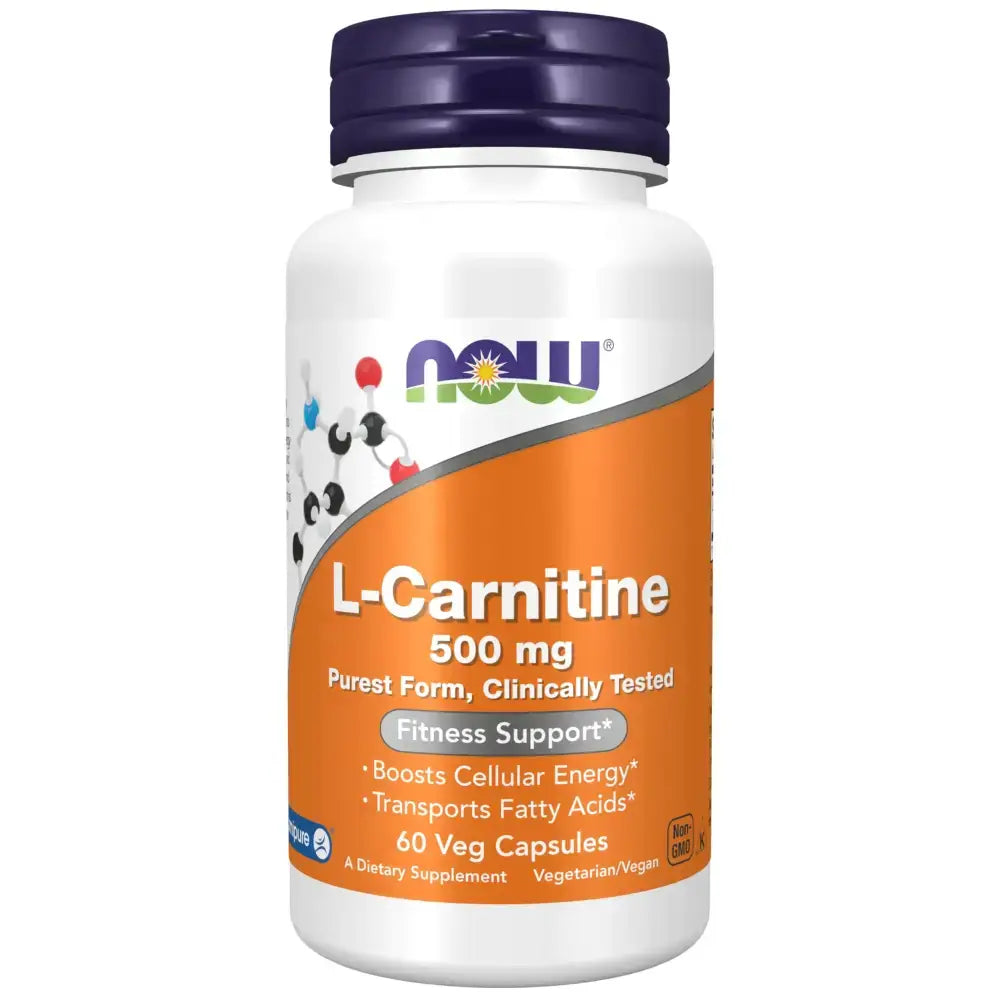
This guide explains why different forms of carnitine exist, how to choose the best L‑carnitine for your goals, and what realistic results look like. Along the way you’ll learn about common forms such as L‑carnitine L‑tartrate and propionyl‑L‑carnitine, plus practical tips people discuss on forums and in communities.
Why multiple forms of carnitine matter
Not all carnitine supplements are identical. Manufacturers produce distinct forms to target specific needs. For example, L‑carnitine L‑tartrate is commonly used in sports supplements because it’s thought to be absorbed quickly and may support exercise recovery.
Propionyl‑L‑carnitine is another variant that’s often studied for circulatory and heart health. It can cross cell membranes differently and may benefit blood flow and mitochondrial function in cardiac tissue.
How to pick the best L‑carnitine for you
Choosing the best L‑carnitine depends on your priorities. If you’re focused on workouts and reducing muscle soreness, look for formulations containing L‑carnitine L‑tartrate or blends designed for athletes. If cardiovascular support is your main goal, propionyl‑L‑carnitine appears more targeted to circulation and heart metabolism.
Other considerations include purity, dosage, and third‑party testing. Vegetarians or those avoiding GMOs should check labels for certifications. Combining complementary forms can offer broad benefits — a blend that includes standard L‑carnitine, propionyl‑L‑carnitine, and L‑tartrate can support both energy production and organ‑specific needs.
What results to expect and how people track progress
Expect incremental improvements rather than dramatic overnight changes. For heart and brain support, benefits may appear as steadier energy, better focus, or improved exercise tolerance over weeks. For recovery, users often notice reduced muscle soreness and quicker post‑workout recovery.
Many people search for L‑carnitine before and after pictures to see visual proof. While weight loss or muscle definition changes can occur if carnitine helps increase fat utilization alongside diet and exercise, photos alone don’t tell the whole story. Improvements in energy, endurance, and recovery are often better measured with performance metrics, not just images.
Safety, dosing, and common questions from communities
Dosing varies by form and goal. Typical ranges for general support are lower than athletic doses used in clinical studies. Follow label instructions and consult a healthcare provider if you have medical conditions or take medications.
Fitness communities and message boards like an L‑carnitine bodybuilding forum often share personal experiences with timing and stacking. Common tips include taking carnitine with meals containing some carbohydrate for better uptake, and pairing it with a consistent training program for visible results.
How blends support heart and brain health
Blended supplements that deliver three forms of L‑carnitine aim to be more versatile. A multi‑form product can deliver fast‑acting L‑tartrate for recovery, acetyl‑L‑carnitine for cognitive support, and propionyl‑L‑carnitine for circulatory health. Together these forms help mitochondria produce cellular energy more efficiently.
Acetyl‑L‑carnitine is often singled out for brain benefits because it crosses the blood‑brain barrier more effectively. People who want cognitive support will frequently seek products that include this form along with propionyl or standard L‑carnitine.
Realistic timeline and combining with lifestyle
Most users report subtle gains within 2–6 weeks, with more noticeable changes over 8–12 weeks when combined with a healthy diet and consistent exercise. Carnitine is not a fat‑loss miracle; it supports metabolic pathways that can help when other factors like calorie balance and training are in place.
For older adults, maintaining mitochondrial function becomes more important. Age‑related declines in cellular energy mean supplements that optimize carnitine availability can be helpful for everyday energy and recovery from exertion.
Research highlights and practical takeaways
Clinical studies suggest benefits of different carnitine forms for specific outcomes: propionyl‑L‑carnitine for circulation, acetyl‑L‑carnitine for cognitive markers, and L‑tartrate for exercise recovery. The evidence supports targeted use rather than one‑size‑fits‑all expectations.
Practical takeaways: choose a reputable brand, match the form to your goal, and be patient. If you’re active and tracking metrics, use performance measures—like time to fatigue, perceived exertion, or recovery markers—rather than relying solely on before/after photos.
Final thoughts: selecting a supplement that fits your goals
When evaluating supplements, look for clear labeling that specifies which forms of carnitine are included. A well‑designed formula will list acetyl‑, propionyl‑, and standard L‑carnitine or L‑tartrate, along with serving size and purity assurances.
Whether you’re exploring options from bodybuilding forums or reading clinical summaries, the best approach is evidence‑based and individualized. Combining a multi‑form carnitine supplement with good nutrition, sleep, and training gives you the best chance to see meaningful benefits.