Vitamin B12 Methylcobalamin for Nerve Health & Energy
The Essential Guide to Vitamin B12 Methylcobalamin for Nerve Health and Energy
Vitamin B12 is a cornerstone nutrient for energy production, red blood cell formation, and healthy nerve function. For adults, maintaining normal B12 levels supports focus, mood, and everyday vitality. Yet dietary gaps remain a reality for many people. Vegetarians who avoid animal products may miss out on reliable B12 sources, while older adults can experience reduced absorption due to lower stomach acid. When stomach acid declines, the body has a harder time releasing B12 from food, which can lead to lower B12 status over time.
Deficiency signs can include fatigue, brain fog, and even tingling sensations in the hands or feet. That’s where a targeted supplement can make a difference. Methylcobalamin is the form of B12 that’s most readily active in the central nervous system. Some individuals don’t efficiently convert the more common cyanocobalamin form into methylcobalamin, so a supplement featuring methylcobalamin can support nerve health and the methylation cycle that helps regulate homocysteine levels.
In short, a dedicated methylcobalamin supplement can help close dietary gaps and support daily energy and brain function, especially when diet alone isn’t enough. If you’re exploring how to optimize your nutrient intake, this is a practical place to start.
Who Benefits from B12 Methylcobalamin
Vegetarians and older adults are common beneficiaries of methylcobalamin supplements. Those with reduced stomach acid or certain digestive conditions may struggle to extract B12 from food, making supplementation more important for maintaining healthy B12 levels. Because methylcobalamin is the form active in the CNS, it can help support nerve function and cognitive clarity, potentially contributing to steadier energy across the day.
Choosing a high-quality supplement matters. Look for formulations that state the methylcobalamin form, provide a gluten-free and non-GMO profile, and align with vegetarian or vegan lifestyles if that’s your goal. Quick-dissolving lozenges can support absorption through the mouth’s mucous membranes, which some find convenient on busy days.
Choosing a Quality B12 Supplement
When evaluating options, consider the form, dosing, and quality assurances. Methylcobalamin is the form most people turn to for direct CNS support. A gluten-free, non-GMO product that’s vegetarian-friendly helps ensure it fits into varied diets. A lozenge that dissolves rapidly in the mouth can be convenient for on-the-go use and may offer efficient absorption without needing to swallow pills. This approach aligns with modern wellness routines that place practical, well-sourced nutrients at the forefront.
For context, a good B12 supplement provides a clear, transparent label with the amount per serving and the methylcobalamin form. If you’re reviewing options, think about your daily routine, dietary choices, and any medical considerations. A healthcare professional can help tailor a plan that fits your needs.
How to Use B12 Methylcobalamin
Lozenges are a popular format because they dissolve in the mouth and are easy to take without water. Many adults use one lozenge daily, but you should follow the label directions or the guidance of your healthcare provider. A 5 mg per lozenge dose delivers a robust amount of methylcobalamin to support nerve health and energy, though exact needs vary by age, diet, and health status. If you’re pregnant, nursing, or taking medications, check with a clinician to ensure this dosage is appropriate for you.
Complementary Nutrients and Practical Lifestyle Tips
While vitamin B12 is essential, a balanced wellness plan often includes other nutrients. Vitamin D, for example, supports bone health and immune function, and many people benefit from taking vitamin D alongside B12, especially in regions with limited sun exposure. A thoughtful approach to supplementation considers both vitamins and how they work together to support energy, mood, and resilience.
Magnesium is another nutrient frequently discussed in wellness conversations. Magnesium is generally water-soluble to varying degrees depending on the form, and it supports muscle function, sleep, and nervous system health. If you’re curious about whether magnesium is water soluble, the short answer is yes in many common forms, but absorption can differ by formulation. When planning a broader supplement strategy, you’ll often see people pair magnesium with B12 and D for a well-rounded approach, always guided by individual needs and medical advice.
In the broader landscape of supplements, some readers ask, are vitamin supplements good or bad? When used to fill genuine dietary gaps and chosen thoughtfully, they can be a helpful part of a healthy lifestyle. A practical vitamins and supplements guide starts with a clear picture of your diet, health goals, and any medical considerations. Herbal vitamins are popular in wellness conversations, but B12 is not an herbal vitamin; it’s a vitamin derived from animal-based or bacterial sources, and many plant-based eaters rely on methylcobalamin supplements to maintain adequate levels.
Another common consideration is vitamin D. If you live in a place with limited sun, adding vitamin D helps with bone health and immune support, and it can complement B12 in a comprehensive plan. And for the minerals, magnesium remains a frequent companion in daily routines due to its broad role in energy and function. While magnesium is often discussed in the context of water solubility, the key takeaway is to choose formulations with proven bioavailability and to follow dosage recommendations from a healthcare professional.
Putting It All Together: A Practical Health Routine
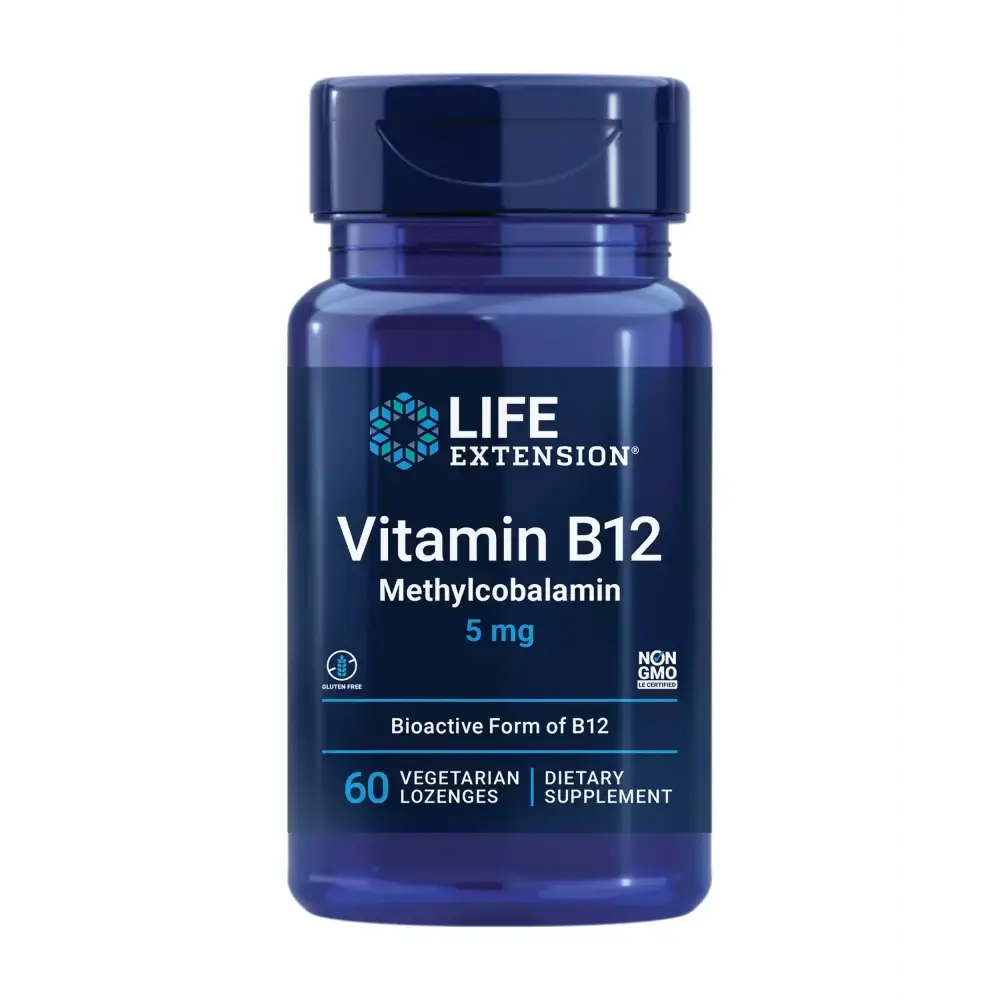
For many, a simple daily routine that includes a reputable methylcobalamin B12 lozenge can support nerve health and energy, especially when dietary sources are limited. Pair this with a balanced diet rich in whole foods, regular physical activity, and appropriate sun exposure for vitamin D, and you’ll be building a solid foundation for overall wellness. Always consult with a healthcare provider if you have concerns about nutrient interactions, pregnancy, medications, or preexisting health conditions.